

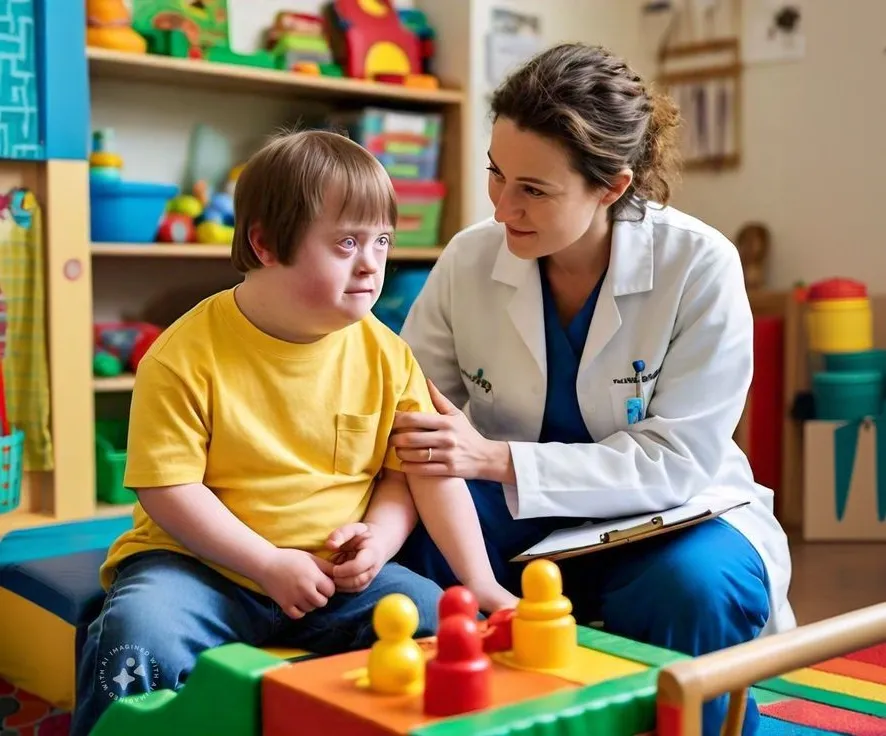


Support for People with Learning Disabilities and/or Autistic People

Winsome Care Ltd provides specialist supported living services for people with learning disabilities and/or autistic people across Liverpool and wider Northwest. This is a core area of expertise for our company, and our entire service model has been designed from the ground up to promote maximum choice, control, and independence for every person we support.

People enjoying community activities

Our approach is delivered in full alignment with CQC's Right Support, Right Care, Right Culture framework, the REACH Standards, and the national service model set out in Building the Right Support (NHS England, 2015). We are guided by specialist NICE guidance, including NG93 (Learning Disabilities and Behaviour that Challenges: Service Design and Delivery), NG11 (Challenging Behaviour and Learning Disabilities: Prevention and Interventions), and CG142 (Autism Spectrum Disorder in Adults: Diagnosis and Management). Learn More

Our Guiding Principles

Everything we do for people with learning disabilities and autistic people is guided by the following principles:

  • Every person has the right to live in their own home with the support they choose
  • Support should be enabling, not controlling or restrictive
  • People should be supported to make decisions for themselves, with capacity assumed unless demonstrated otherwise in accordance with the five principles of the Mental Capacity Act 2005
  • Restrictive practices should be the absolute last resort, used only where necessary to prevent serious harm, proportionate to the risk, and subject to proper authorisation through the Court of Protection
  • Every person should have the opportunity to participate in their community, pursue their interests, form relationships, and work towards their personal goals
Care staff supporting a person in the community

Right Support

People are supported to have the maximum possible choice and control over their lives and to live as independently as possible. Support is always enabling; we do not do things for people that they can do or learn to do for themselves. Each person's support plan includes specific goals for increasing independence, with progress monitored and celebrated.

Our staff are trained in active support, a person-centred approach that ensures people are engaged in meaningful activities throughout their day and are supported to develop new skills at their own pace. We use the principles of positive risk-taking to support people to try new things, take calculated risks, and grow in confidence.


Right Care

Care is person-centred and promotes people's dignity, privacy, and human rights. Every interaction between staff and the people they support reflects respect for the person as a whole individual. We operate a zero-tolerance approach to abuse, discrimination, and poor practice.

Restrictive practices are a last resort. Our default position is that restriction should be avoided wherever possible and that positive, proactive approaches should always be tried first. Where any restriction is necessary, it is clearly documented, subject to regular review, proportionate, and authorised through appropriate legal frameworks. Staff receive comprehensive training in positive behaviour support, de-escalation, and the lawful and ethical use of any restrictive interventions.

Learn More

Right Culture

The ethos and culture of our service is based on openness, inclusion, empowerment, and a relentless focus on outcomes. Our leadership team models the values and behaviours expected of all staff and actively promotes a culture where concerns can be raised without fear. Whistleblowing policies, duty of candour, and open-door management practices ensure that issues are identified and addressed promptly.

Learn More

The REACH Standards

We apply the REACH Standards across all aspects of our service for people with learning disabilities and autistic people. These nine standards provide a comprehensive framework for delivering outstanding outcomes:

Support team in training
  • Standard 1: Support to make choices
  • Standard 2: Support to live somewhere that suits you
  • Standard 3: Support to be as independent and in control as possible
  • Standard 4: Support to live a healthy life
  • Standard 5: Support to be safe and free from abuse and harm
  • Standard 6: Support to take part in meaningful activities
  • Standard 7: Support to meet people and maintain relationships
  • Standard 8: Support from well-trained and well-supported staff
  • Standard 9: Support that is well-planned and managed

Person-Centred Support Planning

Support plans for people with learning disabilities and autistic people are co-produced with the individual using accessible methods, including pictures, symbols, easy read formats, talking mats, and multimedia. Plans include:

Positive Behaviour Support (PBS) Plans

Where needed, developed by or in consultation with a qualified behaviour analyst, focusing on understanding the function of behaviour and meeting unmet needs

Communication Passports

Detailed documents that explain how the person communicates, what their behaviours mean, and how staff should respond

Health Action Plans

Developed in accordance with the Learning Disabilities Mortality Review (LeDeR) Programme recommendations, addressing health inequalities and ensuring proactive healthcare

Sensory Profiles

For autistic people, identifying sensory preferences, triggers, and strategies for managing sensory environments

Activity Programmes

Structured programmes of meaningful activities, education, employment support, and community participation tailored to the person's interests and goals

Specialist Staff Training

All staff supporting people with learning disabilities and autistic people complete the Oliver McGowan Mandatory Training on Learning Disability and Autism (Tier 1 and Tier 2 as appropriate to their role). Additional specialist training includes:

Staff in specialist learning disability training
  • Positive behaviour support
  • Autism awareness and understanding sensory processing
  • Communication strategies, including Makaton, PECS, and assistive communication technology
  • Epilepsy awareness and management
  • Dysphagia awareness and the International Dysphagia Diet Standardisation Initiative (IDDSI) framework
  • The Mental Capacity Act 2005, including Best Interests decisions and the role of the Court of Protection
  • Active support and person-centred planning
  • Safeguarding, including recognising and responding to abuse and exploitation

Discuss Support for Your Loved One

We would love to hear from you. Whether you are looking for supported living for yourself, a family member, or someone you work with professionally, our team is ready to help.